What Should You Import from China or Leave to the Locals?


Building materials are the products that go into a home build or renovation, from custom furniture, cabinetry, tiles and stone to doors, windows, lighting, plumbing, appliances and fire-safety items, and the right choice is often not just what to buy, but whether to import it from China or buy it locally. China can make just about anything for a home, but it doesn't necessarily mean you want it to. Too many buyers and project managers compare a factory quote with a local retail price, call the gap a saving and stop there, when getting the goods into your container is only the beginning of the story.
A real saving has to survive landed cost, compliance, correct specifications, packing, freight, installation, warranty and perhaps most importantly, future repairs. The best building material choice depends on your project priorities: import from China where it offers clear advantages in design, customisation, manufacturing depth and consolidation; buy locally when approval, replacement speed, liability and service matter more. The sections that follow break that decision down by product category, including furniture, cabinetry, tiles, doors and windows, lighting, plumbing and appliances, so you can weigh cost, risk and project success properly before you source.
01 | The practical answer
To be honest, the original version of this blog post was 2,786 words long. At that moment, it suddenly dawned on me that even if I could write such a long piece, you wouldn’t have the patience to read it all the way through. So what you’re reading now is a post of just 1,000 words.
| Product category | Default choice | Main reason |
|---|---|---|
| Custom furniture | Import | Strong design range and customization value |
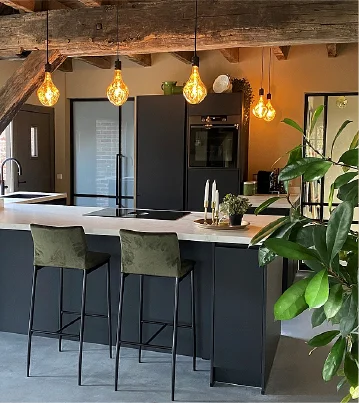
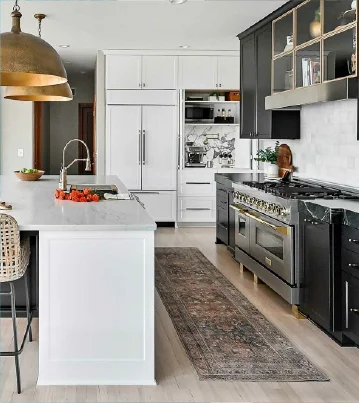
| Cabinetry and wardrobes | Import with control | Good value when drawings and dimensions are final |
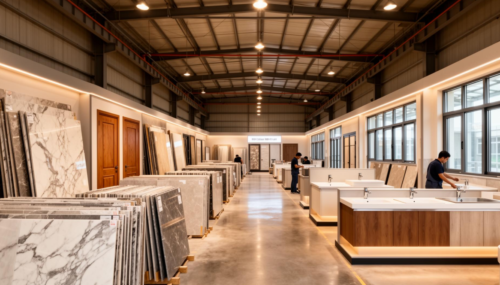
| Tile, stone, and decorative finishes | Import with control | Large selection and useful project pricing |
| Windows and exterior doors | Conditional | Performance evidence must match the project |
| Lighting and plumbing products | Conditional or local | Certification and installer acceptance are critical |
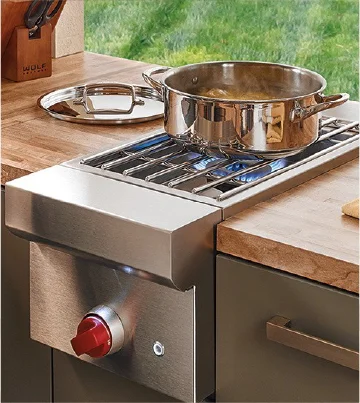
| Major appliances | Buy locally | Warranty, service, parts, and replacement speed |
| Structural and fire safety products | Usually local | Engineering approval and liability |
Note: This is a purchasing filter, not a substitute for local building rules.
02 | Why China still makes sense for selected products
China's got a far deeper advantage when it comes to its concentration of factories, component suppliers, finishing specialists, packaging teams and export logistics.
According to China Customs, in 2025 the country exported 455.94 billion yuan worth of furniture and parts, down 5.6% from 482.99 billion yuan in 2024. These are official figures, so take them for what they're worth. (Source 1)
That kind of scale gives you a lot of choice, but it doesn't guarantee you're going to get a good result. With a bigger supply chain comes more opportunities to pick the wrong factory.
FelixDeco's furniture sourcing should start with the room layout, the destination, your quality target, budget and installation method, not just some eye-catching photo.
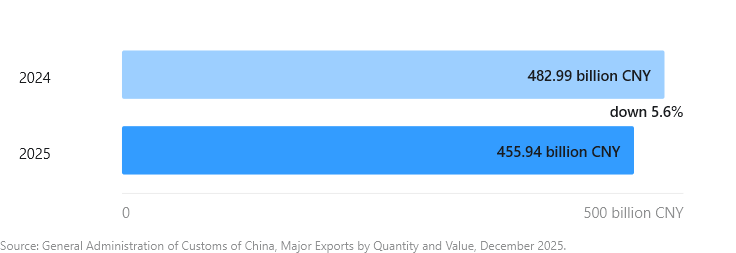
Scale creates choice, not assurance. A larger supply chain also creates more opportunities to select the wrong factory.
FelixDeco furniture sourcing should begin with the room plan, destination, quality target, budget, and installation method, not one attractive photograph.
03 | What I would import
Custom furniture is a strong import category, especially for a whole property. Coordinating timber, fabric, stone, metal finishes and dimensions is way easier with a whole house furniture sourcing approach. But looks aren't just about looks: frames, foam, fabric, stitching and hardware all need to be specified and covered off in the quote, approved samples and inspection checklist.
Cabinetry works when site dimensions are verified, and the design is frozen. Approved drawings must state appliance models, board specifications, edge details, hardware, fillers, and installation tolerances.

Tiles, stone, mirrors and vanities can be worth importing if the order is big enough to justify proper crates, batch control, testing and spare stock. The Australian Border Force warns that a Chinese asbestos-free label may not necessarily cover you - you may need to do testing and sampling to prove compliance. (Source 7) That's why independent material testing is so important.
For each category you import, keep a single project record with the final quote, approved drawings, finish samples, test evidence, inspection photos, packing list and spare parts schedule. This way, the buyer, installer and certifier are all on the same page. FelixDeco should include examples of this kind of project record in sourcing case studies, because they're way more valuable than some generic buying tips.
04 | What I would buy locally
Major appliances are a good buy locally, especially if you care about getting warranty, getting the right voltage, technicians and replacement parts. The saving on the factory price might not be as much as it seems when you factor in all these other things.
Avoid electrical products unless you can be 100% sure they've got a complete compliance path. Australia's got some pretty strict regulations around electrical equipment (Source 4), and if the model you want isn't on the list, it's probably best to buy something else. Same goes for plumbing products that require WaterMark certification and a database listing (Sources 5 & 6). If you can't verify the model, certificate, registration and installer acceptance, it's safer to buy locally.

05 | Windows and doors need a separate decision
Doors and windows offer customization, but mistakes are expensive. Australia's National Construction Code refers relevant external windows and glazed doors to AS 2047 for structural resistance, water penetration, air infiltration, and operation. (Source 8)
One test report may not cover every size, glass package, opening method, and wind condition. Confirm the frame, glass, hardware, drainage, installation, labels, and evidence required by the certifier.
Import only when the evidence matches the exact order.

06 | Calculate the landed cost, not the factory price
Landed cost can include the product, packing, freight, insurance, duty, tax, declarations, biosecurity, inspection, storage, delivery, installation, and spare parts.
I found a useful official example.
| Official cost rule | Current figure |
|---|---|
| GST on a taxable importation | 10 percent of the taxable importation value |
| Electronic import declaration above A$1,000 and below A$10,000 | A$50 |
| Electronic import declaration of at least A$10,000 | A$152 |
| Biosecurity full import declaration charge for sea cargo above A$1,000 | A$71 |
The Australian Taxation Office says taxable importation value includes customs value, international transport, insurance, and applicable duty. The Australian Border Force lists the current declaration charges above. (Sources 2 and 3)
07 | My five-question test
Before importing any product, ask yourself:
- Can the exact model be installed and used legally at the destination?
- Is the saving still meaningful after freight, tax, clearance, delivery, installation, spares and risk?
- Can specs be written, sampled, tested and inspected?
- Will important parts be repairable or replaceable after they arrive?
- Has a local installer accepted the product before production has even started?
If the answer to the first one is no, then it makes sense to buy locally. But if drawings, evidence or installer approval are only partial, maybe you should pause on the purchase. If all five answers are clear, cut and the landed cost works out, then importing might just create some real value.
Honestly, the best approach usually involves a bit of both - importing furniture, cabinetry, tiles, stone and a few decorative items that you've got your eye on, while buying service-sensitive or safety-critical stuff and urgent replacements locally.
The main aim isn't to fill a container after all; it's to pick the right products for a sensible one-stop sourcing plan that makes sense when it arrives at your door.
Sources named in this article
- General Administration of Customs of China, China's Major Exports by Quantity and Value, December 2025.
- Australian Taxation Office, GST on Taxable Importations, section 13 20.
- Australian Border Force, Import Processing Charges, updated 1 July 2026.
- Electrical Equipment Safety System, Registration of In Scope Electrical Equipment.
- Australian Building Codes Board, WaterMark Certification Scheme and WaterMark Product Search.
- Australian Building Codes Board, Lead Free Plumbing Products.
- Australian Border Force, Asbestos Guidance for Importers.
- Australian Building Codes Board, National Construction Code 2022, Part H1 Structure.
-
 Why Does George Building Have 72 Websites?11 Jun, 2026
 -
 Why Billionaire Jeffrey Epstein Sourcing Building Materials Keeps Pointing to Foshan09 Feb, 2026
 -
 The Strait of Hormuz is closed. What does that mean for your building materials order?15 Mar, 2026
 -
 What Jeffrey Epstein Bought From Foshan for his home furniture12 Feb, 2026
-
Why Does George Building Have 72 Websites?11 Jun, 2026
-
 What Do You Need Before Requesting a Custom Staircase Quote?15 Sep, 2026
 -
 Where Do Your Custom Carpets Actually Come From?18 Aug, 2026
 -
 How to Source Building Materials From Foshan, China: A B2B Buyer’s Guide12 Aug, 2026
 -
 What Should You Import from China or Leave to the Locals?05 Aug, 2026